
Article
Best practices for call-tracking
Call-tracking helps you understand not just how many calls your business receives, but also where they come from and what results they create. Used correctly, it can boost sales, improve marketing, and reduce unnecessary support calls.
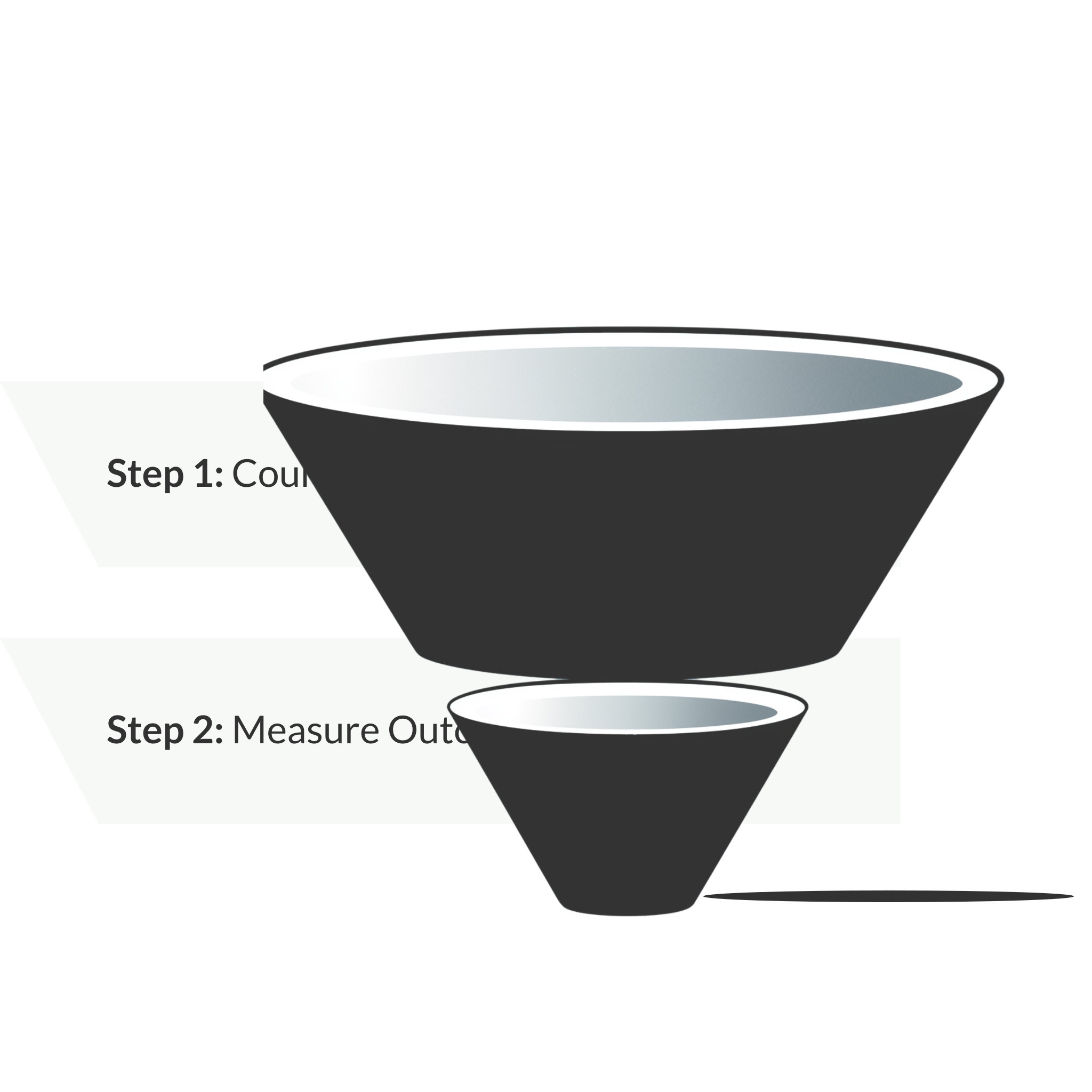
The key is deciding whether to measure volume (number of calls) or efficiency (quality and outcome of calls).
- Volume is a good starting point. It is easy to set up and provides quick wins.
- Efficiency goes deeper. By connecting call outcomes to the online journey, you gain insights that allow for real optimisation.
Marketing
The problem: Without call-tracking, it is impossible to see how marketing campaigns contribute to inbound calls. This hides part of the true return on investment.
The goal: Track calls alongside online sales to understand which campaigns bring the most valuable leads. This gives marketing a complete performance picture: not just online clicks, but real-world calls as well.
Quick win: Add call data as a KPI in campaign reports. Ask: Does this new data change how we value certain campaigns?
Website & Digital
The problem: We don’t know which website visitors end up calling, or which marketing activities led them there.
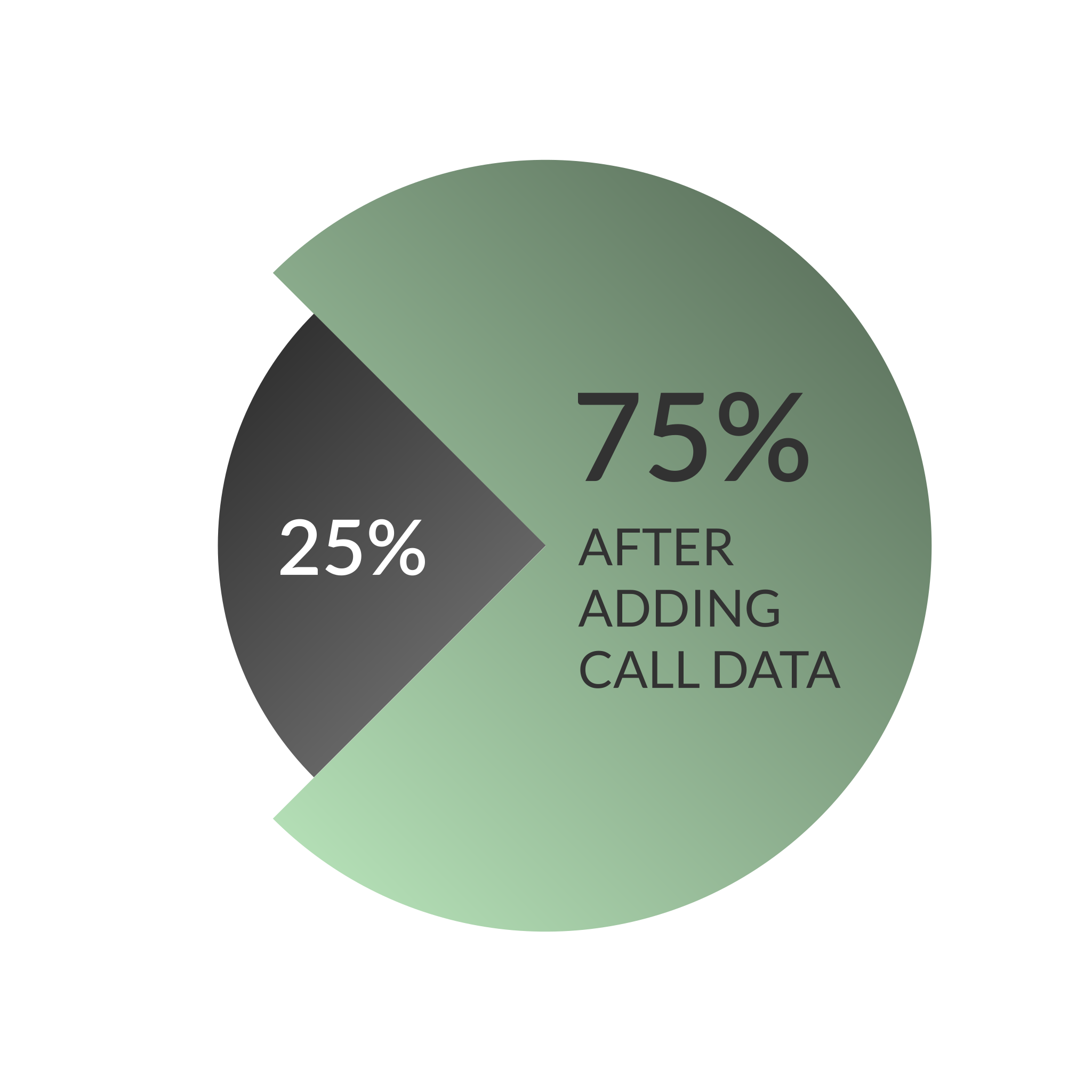
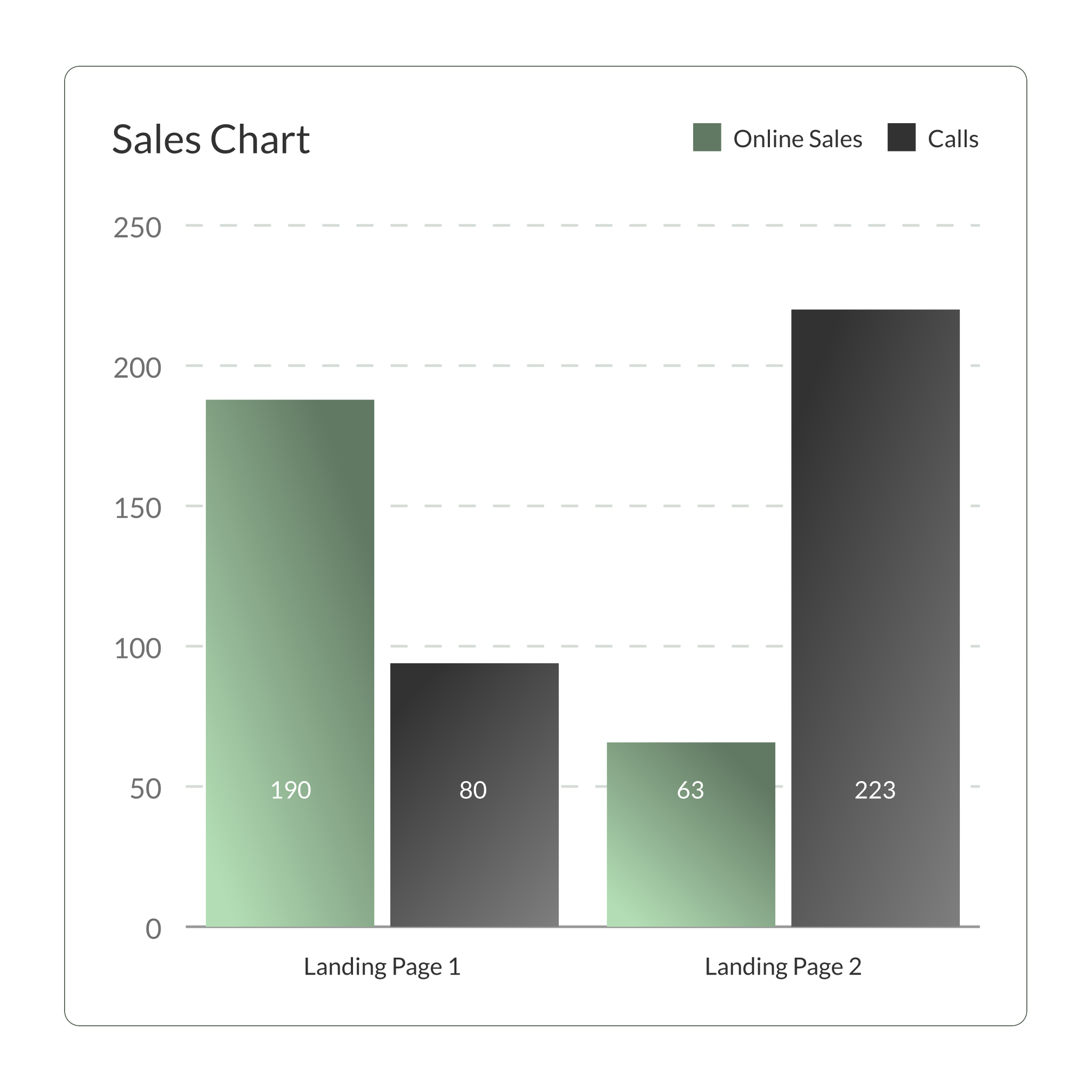
The goal: Measure how different pages, product listings, or landing pages generate phone calls as well as online sales. Test call-to-action placements, phone number visibility, and messages.
Quick win: When testing changes to a webpage, measure both online sales and phone calls. Attribute offline conversions (calls) back to the online journey.
Efficiency
The problem: We don’t know the quality of calls. Some may be high-value sales opportunities, while others may be low-value support requests.
The goal: Connect call outcomes (sale or support) back to campaigns and web pages. This shifts measurement from “Did it generate calls?” to “Did it generate sales?”
Quick win: Match call-tracking data with call-centre outcomes. Even if this is done manually, it will reveal which calls convert and where improvements are needed.
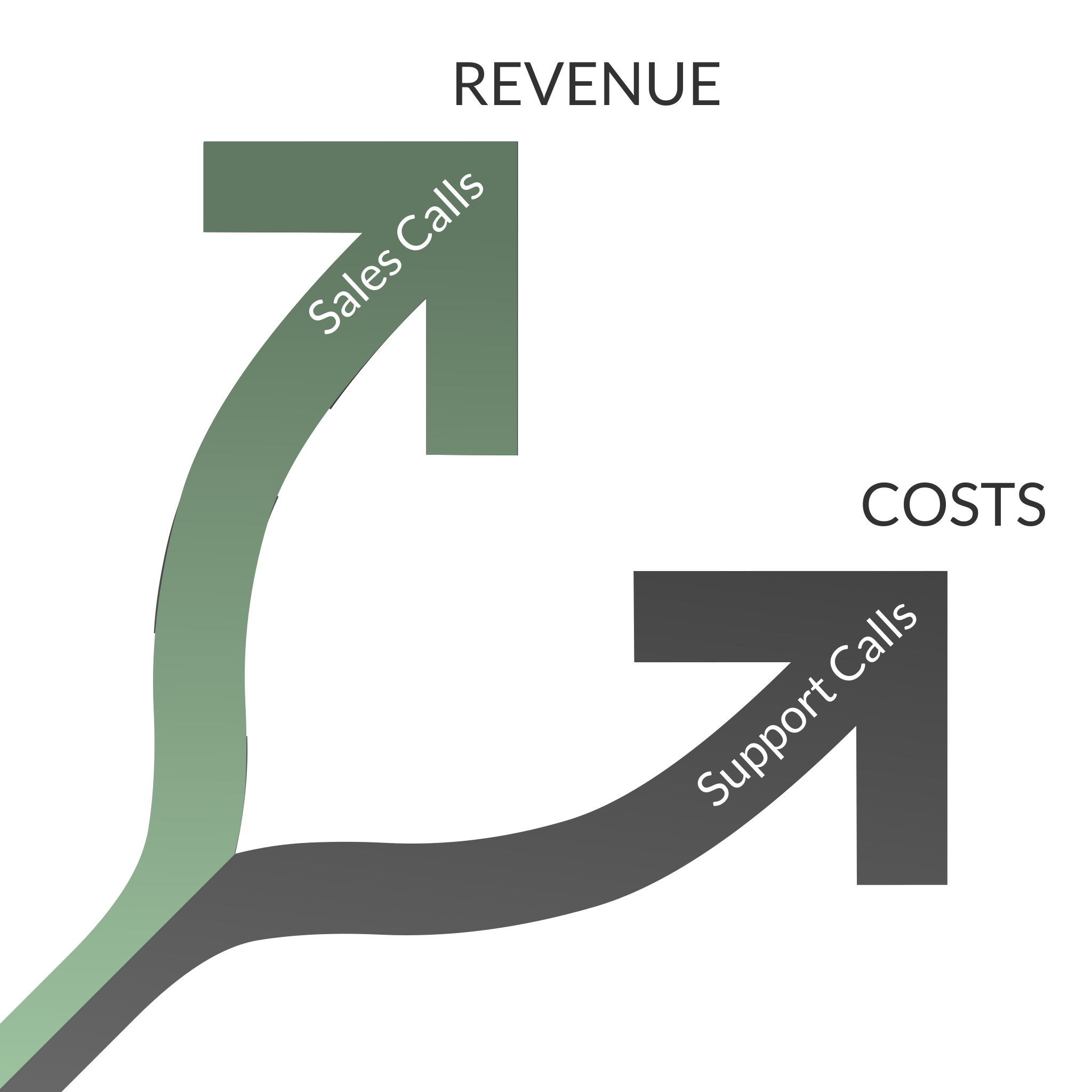
Optimising online support (reducing unnecessary calls)
The problem: Many visitors still call support instead of using online self-service options.
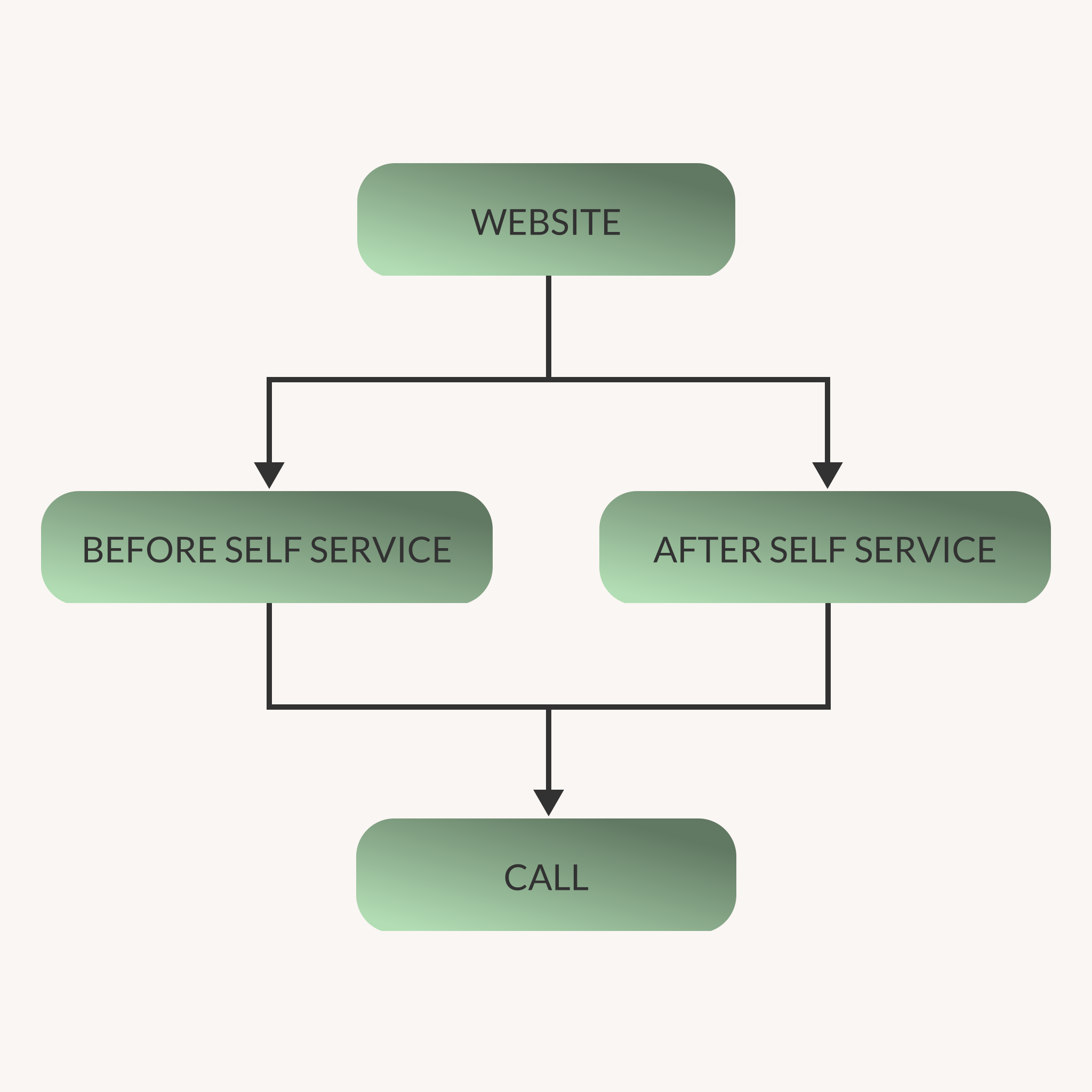
The goal: Use call-tracking to understand when people call:
- Before trying online self-service, which may indicate the website doesn’t guide them well enough.
- After trying online self-service, which may indicate the tools or content aren’t sufficient.
Quick wins:
- Track whether calls happen before or after online support attempts. Improve website design, FAQs, or chatbots based on the findings.
- Measure how often calls are redirected in the call-centre. If redirection rates are high, improve routing and messaging.
- Use insights from call-centre conversations to improve online help content.
Bringing it all together
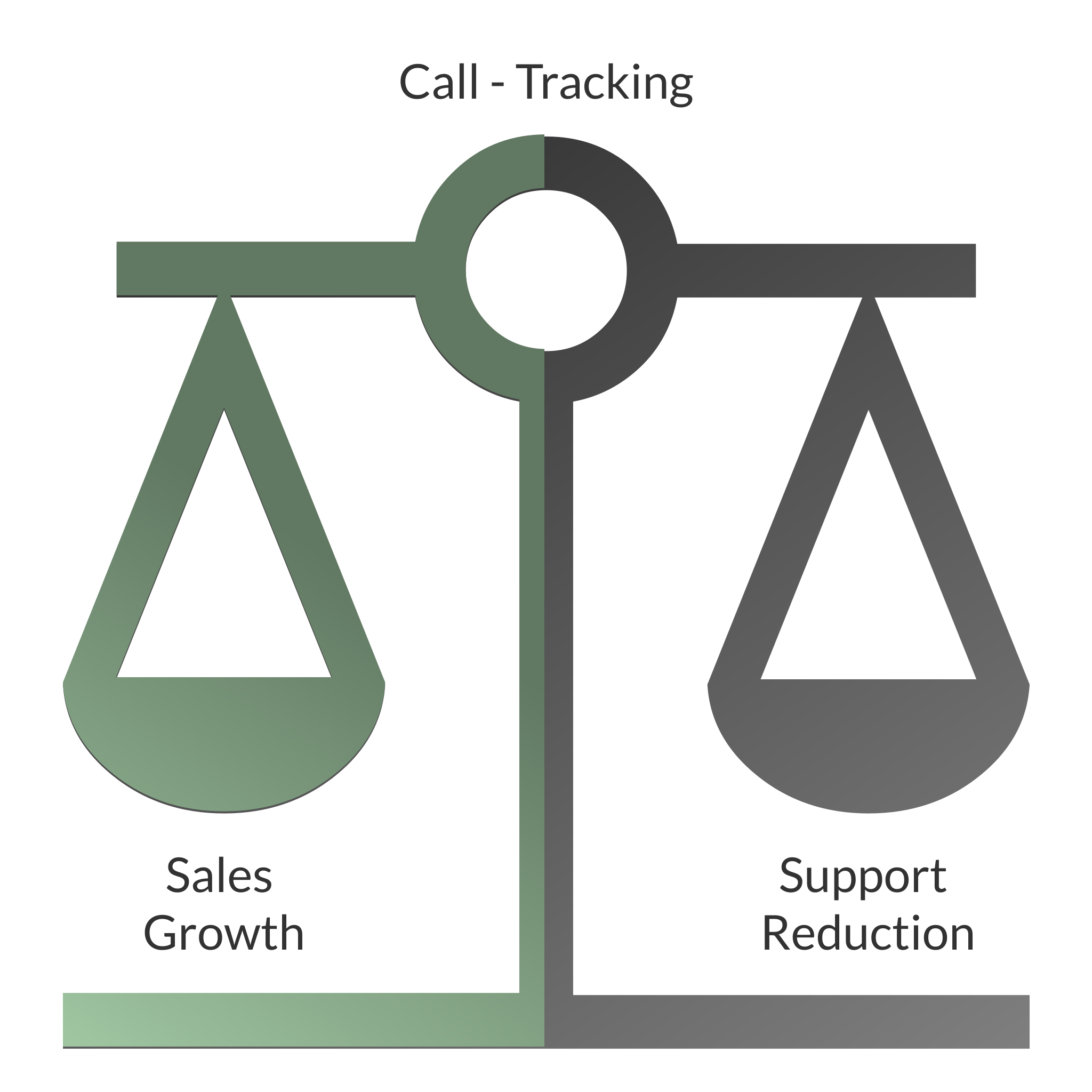
Call-tracking provides two powerful levers for business improvement:
- Boosting sales by correctly attributing marketing and online efforts.
- Reducing support costs by improving online self-service.
Moving from volume tracking (counting calls) to efficiency tracking (understanding call outcomes) allows smarter decisions that improve both revenue and customer experience.